Why I write
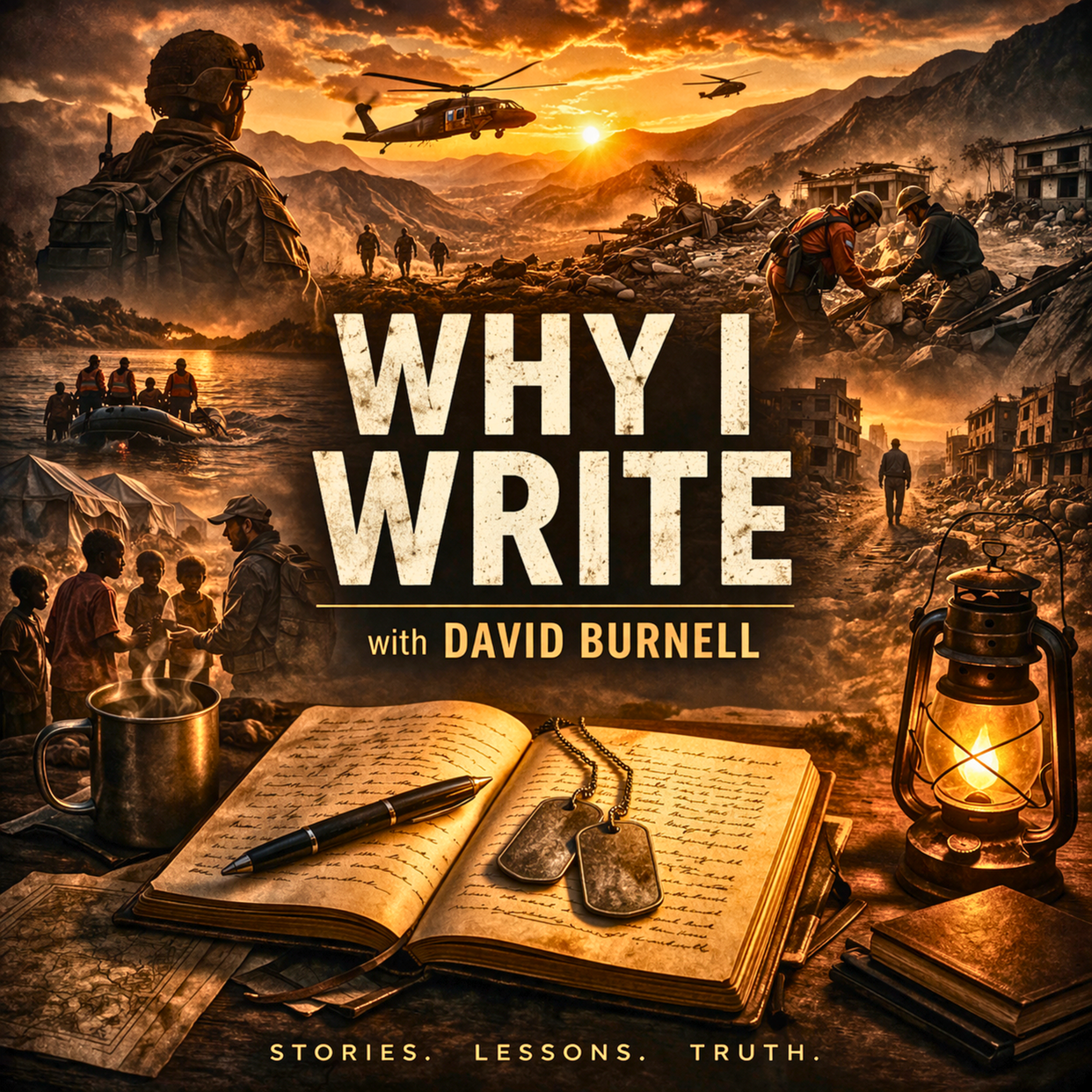
A reader recently asked me a thoughtful question—how my writing journey began, what I write about, and what challenges come with telling these stories. It made me pause, because the truth is, I never set out to become a writer. For most of my life, I worked in environments where stories accumulate, whether you intend them to or not—military service, rescue operations, protective work, and humanitarian missions in difficult places around the world. In those settings, you witness moments most people never see—courage, heartbreak, faith, loss, and quiet resilience. Over time, those moments begin to weigh on you, not always in a negative way, but in a way that asks to be understood.
Writing became the way I processed those experiences. At first, it wasn’t about publishing—it was about reflection. It was about trying to understand why certain moments stayed with me long after they were over, why certain conversations or decisions shaped lives in ways no one could have predicted. Eventually, I realized the lessons I was learning weren’t just mine—they were human lessons. Lessons about resilience, faith, service, and what happens when people are pushed to their limits and forced to decide who they are going to become.
Most of what I write falls somewhere between memoir, narrative nonfiction, and reflective storytelling. The stories often come from real events—disaster response, search-and-rescue, military operations, humanitarian missions, and leadership under pressure. But I’m rarely interested in the action itself. The action is just the setting. What matters to me is what those moments reveal about people—what happens internally when someone faces fear, responsibility, loss, or sacrifice. Often, the most important part of a story isn’t the dramatic event, but a quiet moment—a conversation on a broken street far from home, or a single sentence that changes the course of a life.
Writing honestly about real experiences comes with responsibility. When stories involve real people and real hardship, you have to balance truth with respect. You have to protect dignity and ensure you’re not turning someone’s worst day into someone else’s entertainment. That takes care—and it takes courage—because the most meaningful stories often require confronting your own flaws, fears, and failures. But readers recognize authenticity when they see it, and authenticity carries farther than polished storytelling alone.
Over time, I began receiving messages from readers—people who said a story helped them understand something in their own life, helped them through a difficult season, or reminded them to reach out to someone they care about. Those messages changed how I view writing. I came to understand that storytelling can serve a purpose beyond entertainment. A story can be a mirror, a warning, a guidepost—or even a quiet form of rescue.
If you’re thinking about writing, my advice is simple: write about what matters to you. Write about the moments that stay with you and the lessons you’ve learned the hard way. Authenticity will always travel farther than technique alone. When your stories come from a place of truth, someone out there will recognize themselves in them.
For me, writing isn’t about building a catalog of books. It’s about capturing the moments that shaped a life—and sharing them in the hope that they might help shape someone else’s.
— David Burnell